

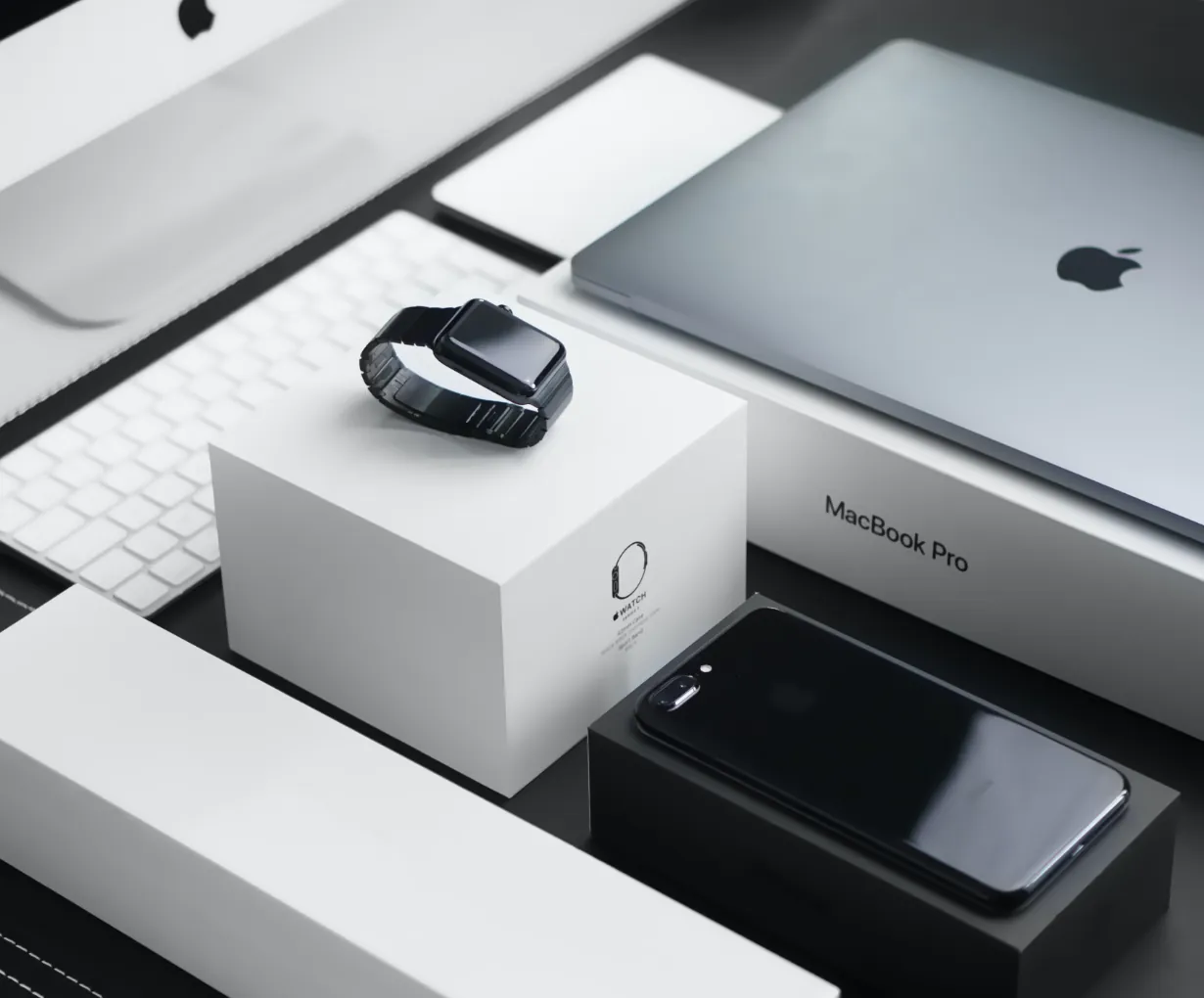

Smart devices are rapidly transforming the way people live, work, and interact with technology in their daily routines. In today’s digital era, almost every aspect of life is becoming connected through intelligent systems, from mobile phones and smartwatches to home automation devices and AI-powered gadgets. These technologies are no longer luxury items; they have become essential tools that improve convenience, efficiency, and overall lifestyle quality.
One of the biggest advancements in smart devices is the integration of artificial intelligence. Modern smartphones, for example, are no longer just communication tools but complete digital assistants. They help users manage schedules, control smart home devices, take high-quality photos, translate languages, and even perform complex tasks using voice commands. AI-based features are continuously learning user behavior to provide faster and more personalized experiences.
Smartwatches and wearable devices have also become extremely popular due to their health and fitness tracking capabilities. These devices can monitor heart rate, track sleep patterns, measure physical activity, and provide real-time health insights. Many people now rely on these gadgets to maintain a healthier lifestyle and stay aware of their daily physical condition without visiting medical facilities frequently.
In addition, smart home devices are changing the concept of modern living spaces. Products like smart lights, smart thermostats, voice assistants, and security cameras allow users to control their homes remotely using mobile applications or simple voice commands. This level of automation not only increases comfort but also improves energy efficiency and home security. Users can turn lights on or off, adjust temperature settings, and monitor their homes from anywhere in the world.
Entertainment has also been revolutionized by smart devices. Smart TVs, streaming devices, and wireless audio systems provide high-quality media experiences with seamless connectivity. Users can access movies, music, and games instantly without traditional limitations, creating a fully immersive digital environment.
Another major development is the rise of smart connectivity between devices. Through IoT (Internet of Things), different gadgets can now communicate with each other automatically. For example, your smartwatch can sync with your phone, your phone can control your home appliances, and your car systems can connect with your mobile device. This interconnected ecosystem creates a smooth and unified digital experience.
Security has also improved significantly with smart technology. Modern smart cameras, door locks, and alarm systems provide real-time monitoring and instant alerts directly to users’ phones. This allows people to keep their homes and offices secure even when they are far away, increasing peace of mind and safety.
Furthermore, smart devices are becoming more energy-efficient and environmentally friendly. Many modern gadgets are designed to consume less power while delivering better performance. This helps reduce electricity usage and supports a more sustainable digital lifestyle for the future.
Overall, smart devices are reshaping modern life by making everyday tasks faster, smarter, and more efficient. They continue to evolve rapidly, and in the future, they are expected to become even more integrated into daily human activities, further bridging the gap between technology and lifestyle.